
Copper And Fibre Structured Cabling Solutions
Structured Cabling & Data Centre Solutions Since 2011
What Is Copper And Fibre Structured Cabling Solutions?
Copper And Fibre Structured Cabling Solutions is a standardized method of installing cabling systems using copper (typically twisted pair) or fibre based cables to support data, voice, and video transmission within a building or campus.
It forms the physical infrastructure for local area networks (LANs), connecting computers, servers, switches, phones, and other network devices.
Whether you’re building a new network or upgrading an existing one, our copper and fibre optic cabling solutions ensure resilience to avoid downtime and are designed individually to meet all of our client requirements




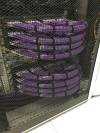
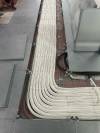
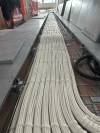
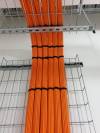
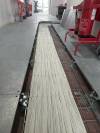
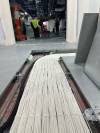
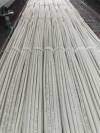
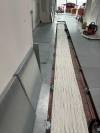
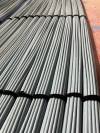
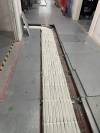
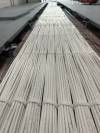
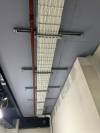
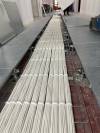
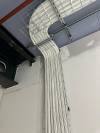
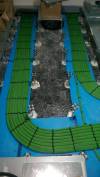
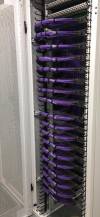
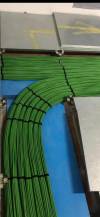
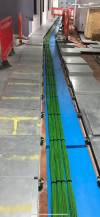
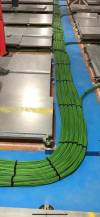
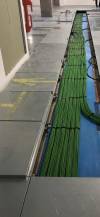
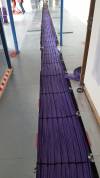
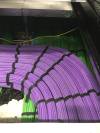
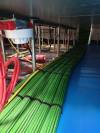
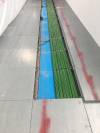
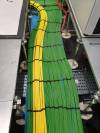
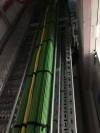
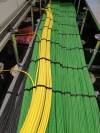
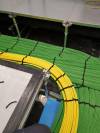
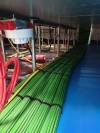
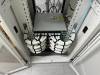
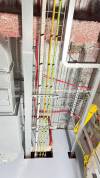


1. Horizontal Cabling
2. Vertical & Backbone cabling
3. DAS systems
4. WIFI heat map and upgrades
5. Access control and Security cabling
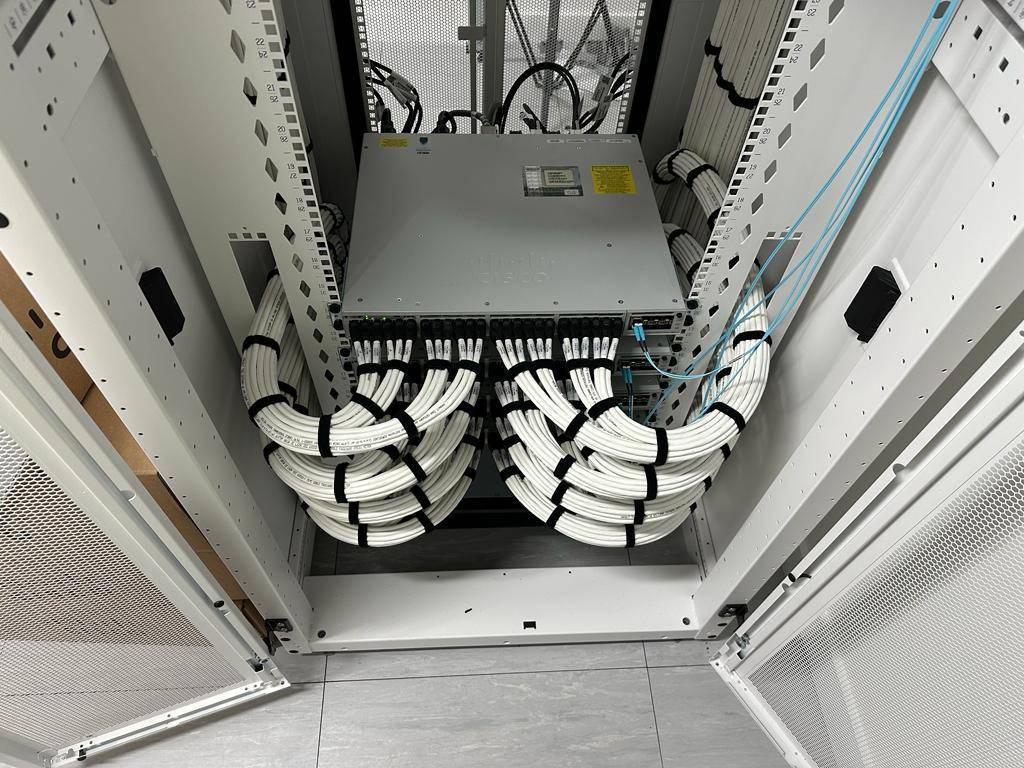
6. Cabinet and rack tidy up
7. Others
Cable Installation & Termination
- Installing Cat5e, Cat6, Cat6A, Cat7, or fiber optic cables.
- Terminating with appropriate connectors (RJ45, LC, SC, etc.).
- Punch-downs at patch panels and keystone jacks.
- Ensuring correct pinouts and polarity (T568A/B standards).
Testing & Certification
- Use of network cable testers to check for:
- Continuity
- Wire map (correct pin configuration)
- Signal loss (attenuation)
- Crosstalk
- Length verification
- Fiber testing includes OTDR testing for loss, splices, bends, or breaks.
Troubleshooting & Repairs
- Diagnosing physical layer issues (bad crimps, broken cables, incorrect terminations).
- Identifying and replacing faulty patch cords.
- Re-terminating jacks or connectors.
- Replacing damaged or obsolete cable runs.
Cable Management
- Organizing and labeling patch panels and switches.
- Ensuring proper bend radius, slack management, and airflow.
- Using trays, raceways, and Velcro for clean cable paths.
Preventive Maintenance
- Routine inspections of patch panels, cabinets, and racks.
- Fiber connector cleaning (using proper cleaning kits).
- Checking for signs of wear, strain, interference, or heat damage.
- Verifying grounding for shielded cable runs.
PERFECT CABLING
LTD SUIT 2A, 15 THE BROADWAY
WOODFORD GREEN,
IG8 0HL
London
United Kingdom